
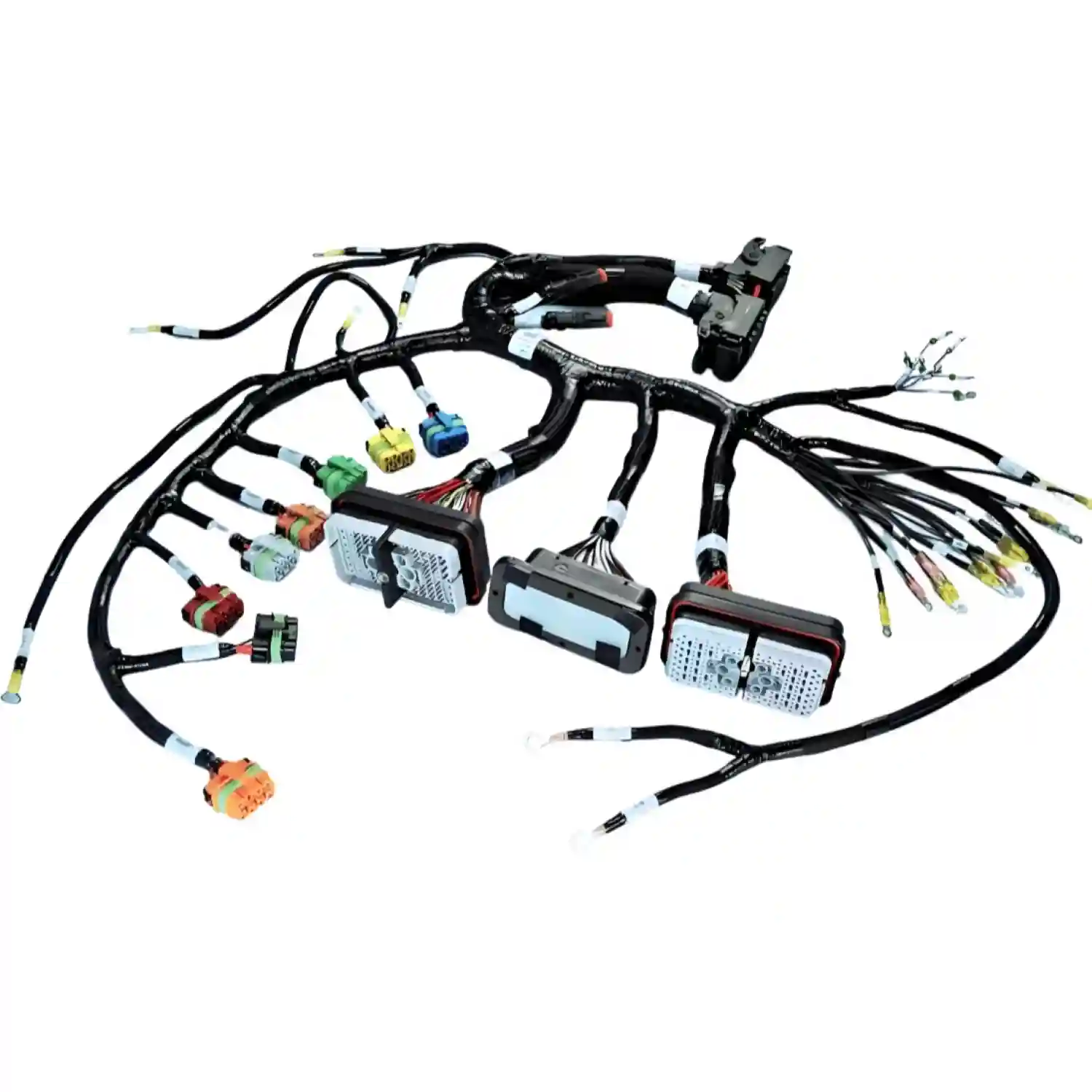
 Equipa Editorial WellPCB
Um chicote elétrico agrupa fios individuais com fita, tubo ou abraçadeiras para encaminhamento dentro de caixas: fios visíveis, menor custo e roteamento mais flexível. Um conjunto de cabos envolve vários fios numa bainha protetora para ambientes agressivos: parece um cabo grosso único, oferece maior proteção (IP67+) e custa mais. Escolha chicote elétrico para aplicações interiores como eletrodomésticos e painéis de instrumentos; escolha conjunto de cabos para ambientes exteriores, industriais ou de alta vibração.
For more information on industry standards, see printed circuit board and IPC standards.
Âmbito Deste Guia
Os chicotes elétricos e os conjuntos de cabos exigem decisões próprias de materiais, terminação, proteção mecânica e teste. Este guia organiza esses critérios para apoiar a especificação e a comparação de propostas.
Chicote Elétrico vs Conjunto de Cabos: Qual é a Diferença?
As pessoas usam estes termos como se fossem equivalentes, mas são produtos diferentes para finalidades diferentes.
| Característica | Chicote elétrico | Conjunto de cabos |
|---|---|---|
| **Estrutura** | Fios individuais agrupados | Vários fios numa única bainha protetora |
| **Proteção** | Básica (fita, tubo, abraçadeiras) | Robusta (revestimento, blindagem, alívio de tensão) |
| **Ambiente** | Interior, espaços protegidos | Exterior, condições agressivas |
| **Flexibilidade** | Roteamento mais flexível | Mais rígido, ponto-a-ponto |
| **Custo** | Mais baixo | Mais alto |
| **Uso típico** | Dentro de caixas, eletrodomésticos | Exterior, industrial, militar |
Regra Prática Simples
**Nota técnica**: Se consegue ver os fios individuais quando está acabado, é provavelmente um chicote. Se parece um cabo grosso único, é um conjunto.
Os 8 Principais Tipos de Chicotes Elétricos e Conjuntos de Cabos
Tipo 1: Chicotes Elétricos Automóveis
Os chicotes mais complexos que existem. Um automóvel moderno contém 40+ kg de cablagem: milhares de circuitos individuais a ligar tudo, desde faróis a aquecimento dos bancos.
Características: - Comprimento extremo (até 5km de fio por veículo) - Vários tipos de conectores num único chicote - Gama de temperatura: -40°C a +125°C - Resistência a vibração e humidade - Devem cumprir requisitos IATF 16949
**Em conjuntos de cabos, crimpagem, alívio de tensão e vedação são pontos críticos. Os critérios IPC/WHMA-A-620 e a cobertura de continuidade devem ser definidos conforme o projeto.**
Aplicações-chave: - Compartimento do motor - Cablagem da carroçaria (portas, tejadilho, mala) - Painel de instrumentos/quadro - Sistemas de infotainment
Em chicotes elétricos automóveis, os requisitos IATF 16949 dependem da entidade, do âmbito certificado e do programa.
Tipo 2: Conjuntos de Cabos para Controlo Industrial
Conjuntos robustos para automação fabril, máquinas e equipamento industrial.
Características: - Alta capacidade de corrente (frequentemente 10-100A) - Resistência a óleo e químicos - Blindagem EMI para sinais sensíveis - Classificação de conectores IP67/IP68 - Longa vida útil (10+ anos)
Configurações comuns:
| Aplicação | Calibre do fio | Blindagem | Conector |
|---|---|---|---|
| Alimentação de motor | 8-16 AWG | Malha entrançada | Circular |
| Sinal de sensor | 22-26 AWG | Folha + dreno | M12/M8 |
| Fieldbus (Profinet) | 22 AWG | Folha + malha | RJ45/M12 |
| Circuitos de segurança | 18 AWG | Nenhuma/folha | Phoenix |
Veja as nossas capacidades de montagem de cabos industriais.
Tipo 3: Conjuntos de Cabos para Dispositivos Médicos
O segmento de maior precisão. A segurança do paciente e a conformidade regulamentar orientam tudo.
Características: - Materiais biocompatíveis (para contacto com o paciente) - Compatíveis com esterilização (EtO, autoclave) - Fio ultrafino (30-40 AWG comum) - Requisitos do sistema de qualidade definidos pelo fabricante do dispositivo - Teste elétrico conforme o plano de controlo
Requisitos críticos:
| Requisito | Porque importa |
|---|---|
| Biocompatibilidade | Segurança no contacto com o paciente |
| Esterilização | Controlo de infeção |
| Vida à flexão | Durabilidade em uso repetido |
| Baixo ruído | Integridade de sinal para diagnóstico |
| Rastreabilidade | Conformidade regulamentar |
Em projetos para dispositivos médicos, os requisitos regulamentares e documentais devem ser definidos pelo fabricante do dispositivo e refletidos no plano de qualidade do fornecedor.
Tipo 4: Chicotes para Robótica e Controlo de Movimento
Desenhados para flexão contínua, o inimigo da longevidade dos cabos.
Características: - Alta vida à flexão (10+ milhões de ciclos) - Condutores resistentes à torção - Compatíveis com drag chain - Raio de curvatura compacto - Conectores quick-disconnect
Classificações de Vida à Flexão:
| Aplicação | Ciclos de flexão necessários | Tipo de fio |
|---|---|---|
| Pick and place | 5M+ | Multifilar high-flex |
| Braço robótico de 6 eixos | 10M+ | Grau robótico |
| Atuador linear | 20M+ | Chain-flex |
| Robô colaborativo | 15M+ | Resistente à torção |
**Nota técnica**: Fio multifilar comum falha por volta de 1 milhão de ciclos de flexão. Cabo de verdadeiro grau robótico sobrevive 10-20 milhões. A diferença de preço é 3-4x, mas a alternativa é paragem operacional. Especifique sempre a classificação de flexão em qualquer aplicação com movimento.
Tipo 5: Chicotes de Distribuição de Potência
Chicotes de alta corrente para eletrónica de potência, sistemas de bateria e quadros de distribuição.
Características: - Fio de grande calibre (4 AWG a 4/0) - Terminais de alta ampacidade - Considerações de arc-flash - Código de cores conforme NEC/IEC - Frequentemente com integração de barramentos de cobre
Capacidade de Condução de Corrente (a 75°C):
| Calibre do fio | Ampacidade | Uso típico |
|---|---|---|
| 10 AWG | 35A | Motores pequenos, aquecedores |
| 6 AWG | 65A | Subquadros, cargas grandes |
| 2 AWG | 115A | Alimentações principais |
| 2/0 AWG | 175A | Entrada de serviço |
| 4/0 AWG | 230A | Alimentações industriais |
Tipo 6: Conjuntos de Cabos Coaxiais e RF
Conjuntos de precisão para transmissão de sinais de alta frequência.
Características: - Impedância controlada (50Ω ou 75Ω) - Baixa perda de inserção - Elevada eficácia de blindagem - Desenhos phase-stable disponíveis - Conectores de precisão (SMA, N-type, BNC)
Tipos comuns:
| Cabo | Impedância | Frequência | Caso de uso |
|---|---|---|---|
| RG-58 | 50Ω | DC-1 GHz | RF geral |
| RG-174 | 50Ω | DC-1 GHz | Compacto/flexível |
| RG-316 | 50Ω | DC-3 GHz | Alta temperatura |
| LMR-400 | 50Ω | DC-6 GHz | Baixa perda |
| RG-6 | 75Ω | DC-3 GHz | Vídeo/CATV |
Para aplicações RF, integramos frequentemente conjuntos coaxiais com o nosso fabrico de PCB RF.
Tipo 7: Conjuntos de Cabos Ribbon
Cabos planos e organizados para ligações internas, especialmente comuns em eletrónica.
Características: - Elevado número de condutores em espaço compacto - Terminação IDC (insulation displacement) - Terminação em massa simples - Flexibilidade limitada - Económicos para elevado número de pinos
Aplicações: - Ligações internas de computadores - Equipamento de teste - I/O industrial - Ecrãs LED
Pitches convencionais: - 2.54mm (0.1") - Mais comum, compatível com IDC - 1.27mm (0.05") - Alta densidade - 1.0mm - Densidade ultraelevada
Tipo 8: Conjuntos Overmolded Personalizados
Conjuntos premium com alívio de tensão moldado, impermeabilização ou caixas com marca.
Características: - Vedação IP67/IP68 possível - Alívio de tensão integrado - Formas e cores personalizadas - Integração de logótipo de marca - Custo de ferramenta mais elevado
Quando usar overmold: - Produtos de consumo (estética + durabilidade) - Equipamento exterior (impermeabilização) - Dispositivos médicos (facilidade de limpeza) - Produção de alto volume (custo unitário amortiza ferramenta)
Custos de ferramenta: | Complexidade | Ferramenta típica | Volume para amortizar | |------------|-----------------|-------------------| | Cilíndrica simples | $2,000-5,000 | 1,000+ unidades | | Complexidade média | $5,000-15,000 | 5,000+ unidades | | Complexa multi-peça | $15,000-40,000 | 20,000+ unidades |
O Processo de Fabrico
Passo 1: Desenho e Engenharia
Tudo começa com os seus requisitos: - Especificações elétricas (tensão, corrente, tipo de sinal) - Condições ambientais (temperatura, humidade, flexão) - Restrições mecânicas (comprimento, raio de curvatura, localização dos conectores) - Requisitos regulamentares (UL, CSA, médico, automóvel)
Criamos desenhos detalhados que mostram: - Roteamento dos fios - Pinouts dos conectores - Localização de emendas - Requisitos de etiquetagem - Especificações de teste
Passo 2: Corte e Descarnagem de Fios
Equipamento automatizado corta fios ao comprimento exato e remove o isolamento das extremidades.
Parâmetros-chave: | Parâmetro | Tolerância típica | |-----------|------------------| | Comprimento de corte | ±1mm | | Comprimento descarnado | ±0.3mm | | Corte no isolamento | Não permitido |
Passo 3: Crimpagem e Terminação
Os terminais são fixados às extremidades dos fios usando crimpagem de precisão.
Métricas críticas de crimpagem: - Força de tração (teste destrutivo) - Altura do crimp (calibre go/no-go) - Análise de secção transversal (inspeção por amostra)
**Nota técnica**: Monitorizamos a força de crimpagem em cada terminal. Um desvio estatístico aciona investigação imediata. Crimps defeituosos são a causa n.º 1 de falhas em campo.
Passo 4: Montagem de Conectores
Os fios terminados são inseridos nas carcaças dos conectores.
Verificação comum: - Teste de força de retenção - Inspeção visual - Verificação de pinout
Passo 5: Agrupamento e Roteamento
Os fios são agrupados usando: - Abraçadeiras (nylon, metal) - Manga entrançada - Tubo corrugado - Manga termorretrátil - Envolvimento com fita
Passo 6: Teste
Cada conjunto passa por teste elétrico:
| Teste | O que verifica |
|---|---|
| Continuidade | Todas as ligações completas |
| Isolamento | Sem curtos entre circuitos |
| Hi-pot | Integridade do isolamento |
| Teste de tração | Retenção de terminais |
O método e a cobertura do teste elétrico devem ser definidos no plano de controlo e nos critérios de aceitação.
Guia de Seleção de Materiais
Tipos de Fio
| Tipo | Formação | Melhor para |
|---|---|---|
| Sólido | Condutor único | Instalações fixas |
| Multifilar | 7-19 fios | Flexão geral |
| Multifilar fino | 42+ fios | Alta flexão |
| Rope lay | Vários feixes | Flexão extrema |
Materiais de Isolamento
| Material | Gama de temp. | Propriedades |
|---|---|---|
| PVC | -20 a +80°C | Baixo custo, flexível |
| PE | -60 a +80°C | Baixa perda, resistente à humidade |
| XLPE | -60 a +125°C | Resistente ao calor |
| Silicone | -60 a +200°C | Temperaturas extremas, flexível |
| PTFE | -200 a +260°C | Resistente a químicos |
| TPE | -40 a +125°C | Resistente a óleo |
Materiais de Bainha
| Material | Propriedades | Caso de uso |
|---|---|---|
| PVC | Uso geral | Interior |
| TPU | Resistente à abrasão | Industrial |
| PUR | Resistente a óleo + flexão | Robótica |
| Neopreno | Óleo + intempérie | Exterior |
| Silicone | Alta temperatura | Compartimento do motor |
Normas de Qualidade
IPC/WHMA-A-620
A norma da indústria para conjuntos de cabos e chicotes elétricos. Define: - Critérios de execução - Requisitos de aceitação - Protocolos de teste
Classes: | Classe | Descrição | Exemplos | |-------|-------------|----------| | Classe 1 | Eletrónica geral | Consumo, não crítico | | Classe 2 | Serviço dedicado | Industrial, comercial | | Classe 3 | Alto desempenho | Militar, médico, aeroespacial |
A classe de aceitação deve ser indicada na RFQ e confirmada para a entidade e o âmbito do projeto.
Reconhecimento UL
Para produtos vendidos na América do Norte: - UL 758 (Appliance wiring material) - UL 2238 (chicotes elétricos) - UL 62368-1 (IT/AV equipment)
Normas Automóveis
- Especificações USCAR
- SAE J1128 (fio primário)
- LV112/LV124 (especificações OEM alemãs)
Fatores de Custo
O Que Impulsiona o Custo de Montagem de Cabos?
| Fator | Impacto | Exemplo |
|---|---|---|
| Número de fios | Alto | Chicote de 50 fios vs 5 fios |
| Tipo de conector | Médio-alto | D-sub vs circular MIL-spec |
| Calibre do fio | Baixo-médio | 22 AWG vs 10 AWG |
| Blindagem | Médio | Sem blindagem vs blindagem dupla |
| Nível de teste | Médio | Só continuidade vs hi-pot + tração |
| Certificação | Alto | Convencional vs reconhecido UL |
| Volume | Alto | 10 pcs vs 10,000 pcs |
Dicas de Redução de Custo
- **Normalize conectores** entre produtos
- **Use cores de fio comuns** (reduz inventário)
- **Desenhe para automação** sempre que possível
- **Especifique a classe adequada** (não especifique em excesso)
- **Agrupe encomendas** para obter preço por volume
Erros Comuns a Evitar
Erro 1: Calibre de Fio Errado para a Corrente
Fio subdimensionado = calor = risco de incêndio. Calcule sempre os requisitos de condução de corrente.
Erro 2: Ignorar o Raio de Curvatura
Curvas apertadas danificam o fio ao longo do tempo. Raio mínimo de curvatura = 4x o diâmetro do cabo (típico).
Erro 3: Materiais Incompatíveis
Alguns plásticos reagem entre si. PVC junto a silicone pode causar fissuração.
Erro 4: Sem Alívio de Tensão
Sem alívio de tensão, o esforço de flexão concentra-se no conector e o risco de falha aumenta significativamente.
Erro 5: Subespecificar a Vida à Flexão
Se mexe, especifique requisitos de flexão. "Só precisa de dobrar um pouco" não é uma especificação.
**Para chicotes em movimento, a regra base é um raio de curvatura de 6x a 10x o diâmetro exterior e validação em pelo menos 500 ciclos de movimento quando o cabo flete durante o uso normal.**
FAQ
Qual é o prazo de entrega para conjuntos de cabos personalizados?
- Protótipos: 1-2 semanas
- Produção (simples): 2-3 semanas
- Produção (complexa): 3-4 semanas
Qual é a quantidade mínima de encomenda?
Não temos MOQ para protótipos. As séries de produção começam normalmente em 50-100 peças por eficiência de custo.
Conseguem reproduzir um conjunto existente?
Sim. Envie-nos uma amostra e fazemos engenharia inversa. Também podemos melhorar materiais ou construção, se necessário.
Prestam apoio ao desenho?
Sim. Envie-nos os requisitos e propomos um desenho. Trabalhamos frequentemente com especificações incompletas.
Que testes realizam?
Os testes de continuidade, isolamento, hi-pot e tração são selecionados de acordo com os requisitos elétricos, mecânicos e de segurança do conjunto.
Conclusão: A Vantagem da Integração
O melhor conjunto de cabos é aquele que não tem de gerir separadamente.
Quando construímos as suas PCB, conjuntos de cabos e chicotes elétricos em conjunto, obtém: - Fonte única - Um fornecedor, um orçamento, um envio - Teste integrado - Testamos o sistema completo - Coerência de desenho - PCB e cabos desenhados em conjunto - Logística simplificada - Tudo chega pronto a integrar
Pronto para discutir as suas necessidades de montagem de cabos? Contacte-nos para uma consulta, ou explore os nossos serviços completos de montagem de cabos.
Leituras Relacionadas
Chicotes elétricos e conjuntos de cabos integram-se frequentemente com PCB e outros sistemas eletrónicos. Estes guias podem ajudar:
- **[Guia de Materiais PCB: FR4, Alumínio e Flex](/blog/pcb-materials-comparison)** – Ao integrar chicotes com PCB, a seleção de material afeta a compatibilidade térmica e mecânica.
- **HDI vs PCB Multicamada Convencional** – Em desenhos compactos onde os cabos ligam a PCB densas, compreender os compromissos HDI é essencial.
- **PCBA Chave-na-mão vs Consignação** – O fabrico de fonte única para PCB e conjuntos de cabos simplifica significativamente a cadeia de fornecimento.
Referências
- [IPC/WHMA-A-620](https://en.wikipedia.org/wiki/IPC_%28electronics%29) - Requisitos e aceitação para conjuntos de cabos e chicotes elétricos
- [SAE J1128](https://en.wikipedia.org/wiki/SAE_International) - Cabo primário de baixa tensão
- [UL 2238](https://en.wikipedia.org/wiki/UL_%28safety_organization%29) - Conjuntos de cabos e chicotes elétricos
*Equipa técnica WellPCB / PCB Portugal.*

Equipa Técnica (canal PCB Portugal)
Conteúdo técnico produzido e revisto pela equipa técnica da WellPCB para o canal PCB Portugal, com base em práticas de fabrico de PCB, montagem PCBA e cablagens.
Ver todos os artigos deste autor →Precisa de Ajuda com o Seu Projeto?
A nossa equipa está pronta para ajudar. Obtenha uma cotação gratuita após análise dos ficheiros.
Artigos Relacionados
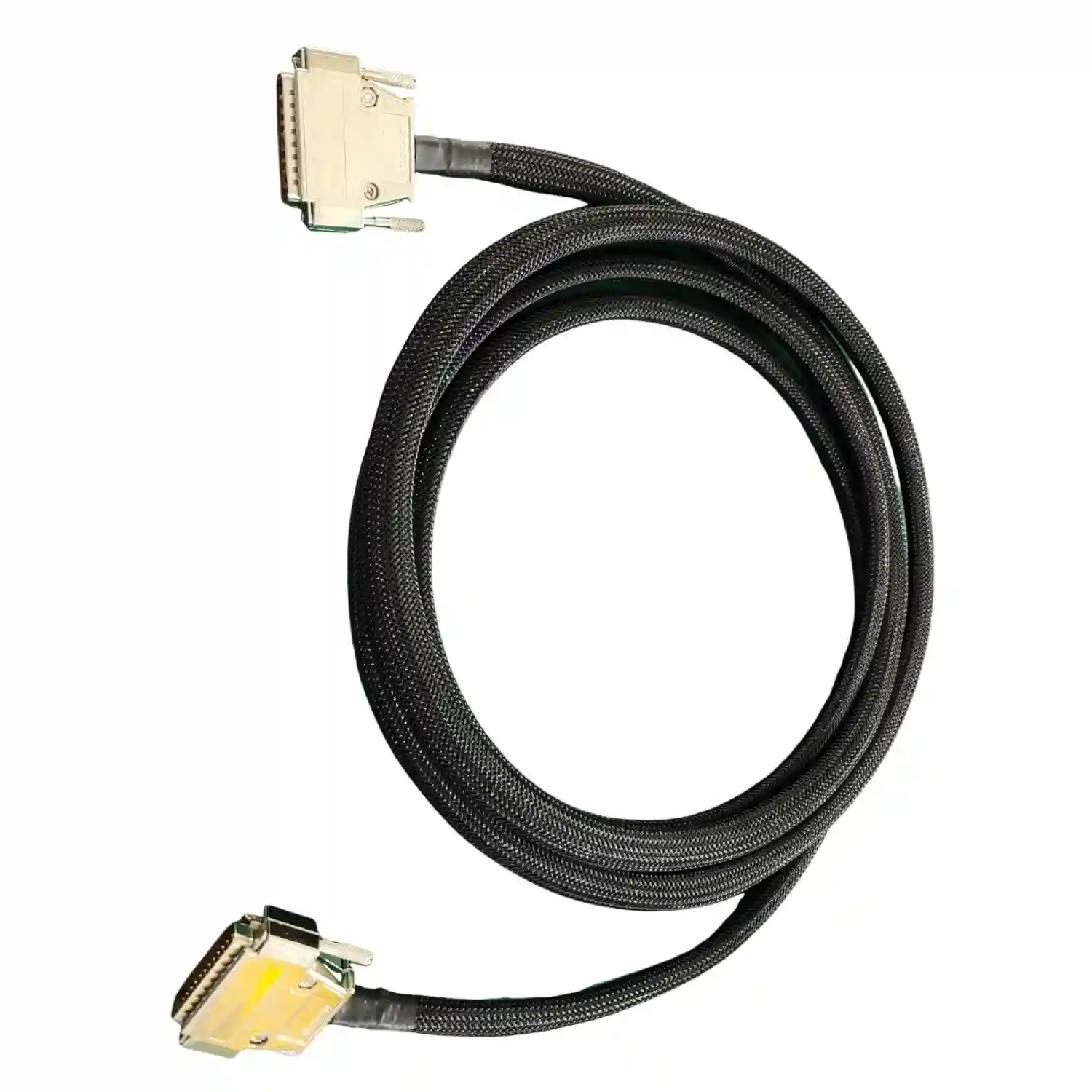
TYPE TC-ER em Cabos 2AWG: Como Escolher Jaqueta, Flexibilidade e Certificação Sem Retrabalho
Guia técnico para especificar cabos de potência 2AWG 3-condutores com TYPE TC-ER, UL 758, UL 1277 e IPC/WHMA-A-620 sem perder certificação por troca de material.
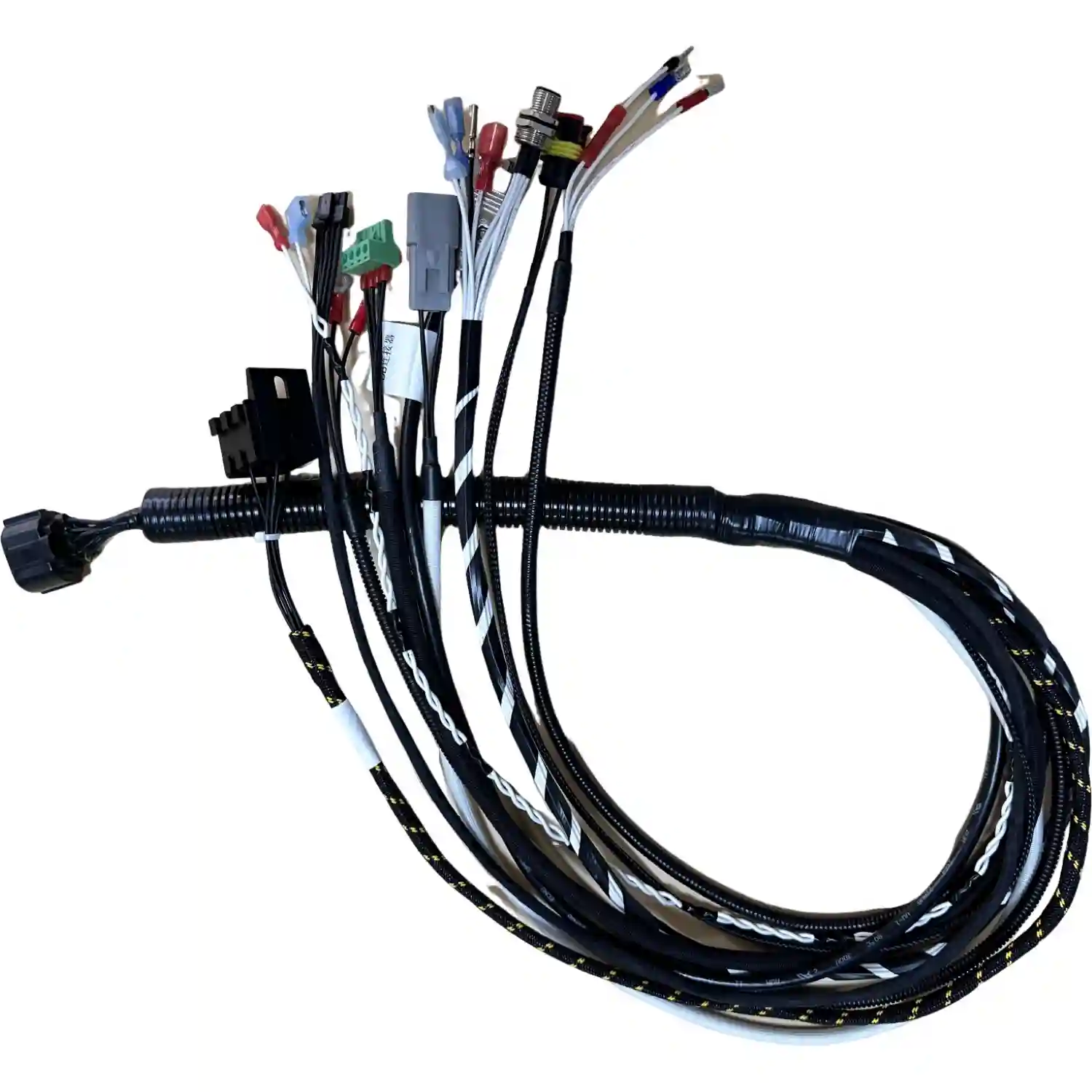
Alta Impedância em Micro-Coax: Teste CABLINE-VS Sem Retrabalho
Um guia técnico para diagnosticar falhas de alta impedância em micro-coax AWG#40 CABLINE-VS, separar erro de teste de defeito real e recuperar confiança antes da reposição.
Micro-Coax AWG#40 com IPEX Alternativo: Como Validar Sem Parar a Produção
Guia técnico para validar conectores IPEX alternativos em micro-coax AWG#40, com plano de amostras, critérios IPC-A-620, UL 758, teste RF e decisão de compra sem risco oculto.