
 Equipa Editorial WellPCB
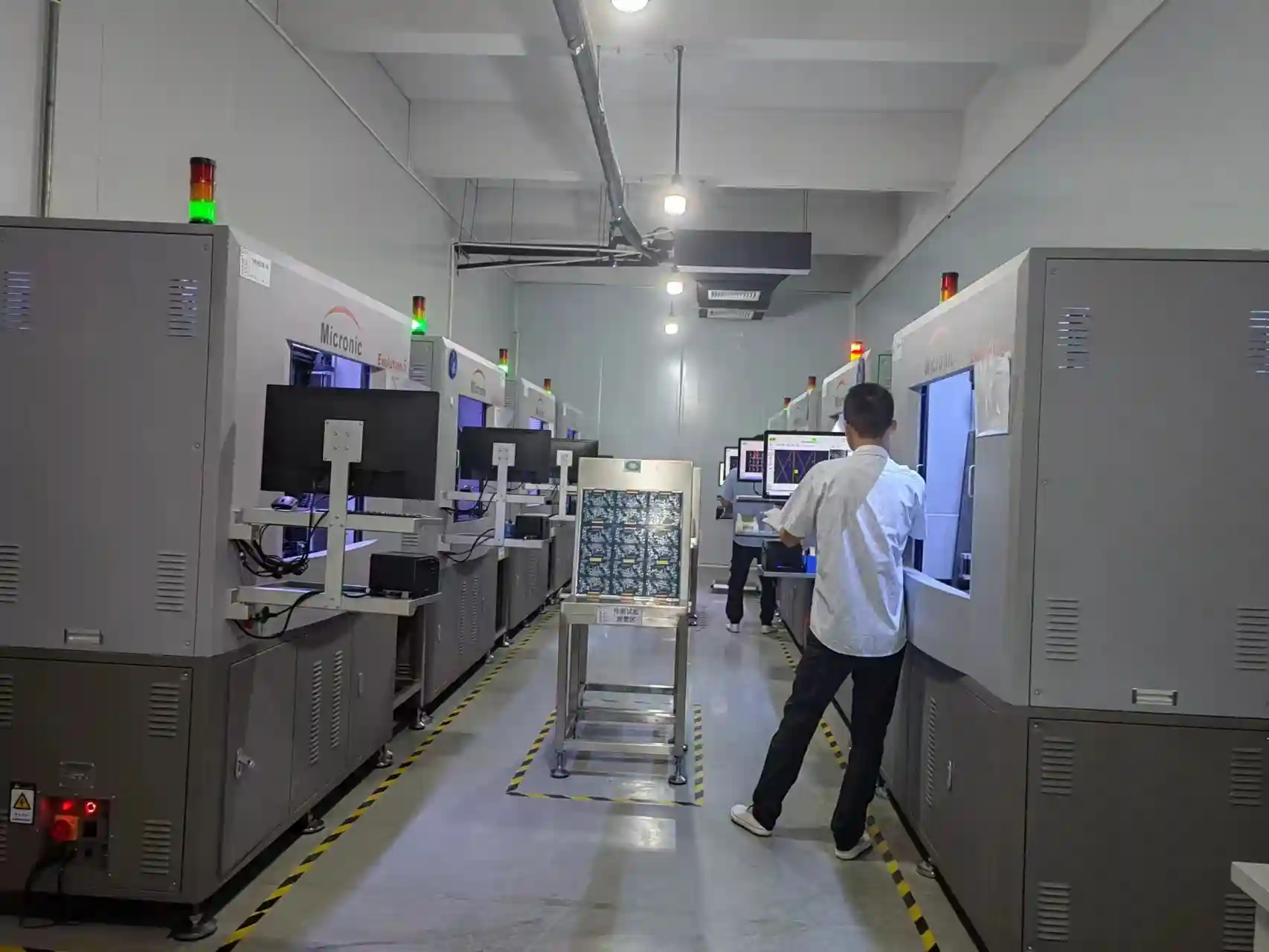
Os principais métodos de teste e inspeção incluem AOI para características visíveis, ICT para verificação elétrica, FCT para validar a função, raio-X para juntas ocultas, Flying Probe para teste sem fixture dedicada, SPI para pasta de solda e burn-in para avaliar o comportamento sob carga. A combinação deve seguir os riscos e os critérios de aceitação do produto.
For more information on industry standards, see printed circuit board and IPC standards.
Porque é Necessária uma Estratégia de Teste
Nenhum método isolado cobre todos os modos de falha. A inspeção ótica, a verificação por raio-X, os testes elétricos e o teste funcional respondem a riscos diferentes; a combinação adequada depende do desenho, da criticidade e dos critérios de aceitação do produto.
Referência Rápida: Todos os 7 Métodos de Teste
| Método | Tipo | O que deteta | Velocidade | Custo/unidade | Melhor para |
|---|---|---|---|---|---|
| **SPI** | Inspeção | Defeitos de pasta de solda | Rápida | $0.02-0.05 | QC antes do reflow |
| **AOI** | Inspeção | Defeitos visuais | Rápida | $0.05-0.15 | Triagem pós-reflow |
| **AXI (X-Ray)** | Inspeção | Juntas de solda ocultas | Média | $0.20-0.50 | Placas BGA, QFN |
| **ICT** | Elétrico | Valores de componentes, curtos | Rápida | $0.10-0.30 | Alto volume |
| **Flying Probe** | Elétrico | Valores de componentes, curtos | Lenta | $0.50-5.00 | Baixo volume, protótipos |
| **FCT** | Funcional | Operação do sistema | Variável | $0.50-5.00 | Validação final |
| **Burn-in** | Stress | Falhas iniciais | Lenta | $5-50+ | Alta fiabilidade |
**Nota técnica**: A maioria dos projetos precisa de pelo menos 3 destes métodos. A questão é quais 3.
1. SPI: Inspeção de Pasta de Solda
O Que É SPI?
A inspeção de pasta de solda acontece *antes* da colocação dos componentes. Um scanner 3D mede o volume, a altura e a área dos depósitos de pasta de solda em cada pad.
Porque Importa
A impressão da pasta de solda é uma fonte importante de defeitos SMT e deve ser controlada antes do pick-and-place e do reflow.
| Defeito | Causa | Deteção SPI |
|---|---|---|
| Pontes | Excesso de pasta | ✅ Sim |
| Circuitos abertos | Pasta insuficiente | ✅ Sim |
| Tombstoning | Volume de pasta irregular | ✅ Sim |
| Juntas frias | Altura de pasta incorreta | ✅ Sim |
Quando Usar SPI
- Sempre em produtos de alta fiabilidade ([médico](/industries/medical), [automóvel](/industries/automotive))
- Componentes fine-pitch (0.4mm BGA, passivos 0201)
- Introdução de novo produto (NPI)
- Quando o yield está abaixo do objetivo
A Realidade
**Em RF e alta velocidade, o erro caro não é perder 2 dias no layout. É aceitar impedância de ±15% quando o orçamento do canal foi desenhado para ±10% ou mais apertado. Geometria e stackup têm de ser projetados em conjunto.**
A SPI apanha problemas *antes* de se tornarem caros. Uma placa apanhada na SPI custa cêntimos a retrabalhar. O mesmo defeito apanhado no FCT? Pode significar descartar o conjunto inteiro.
2. AOI: Inspeção Ótica Automatizada
O Que É AOI?
A AOI usa câmaras de alta resolução (hoje muitas vezes 3D) para fotografar cada componente e comparar com a colocação esperada. Pense nela como um inspetor humano muito rápido, muito consistente e que nunca se cansa.
O Que a AOI Deteta
É excelente em: - Componentes em falta - Componentes errados (valor errado, peça errada) - Erros de polaridade (condensadores, díodos, ICs) - Desvio de colocação - Pontes de solda (visíveis) - Solda insuficiente (visível) - Tombstoning
Tem dificuldade com: - Juntas de solda ocultas (BGA, QFN) - Ligações intermitentes - Valores de componente errados (mesmo encapsulamento) - Defeitos funcionais
Cobertura da Inspeção
A AOI é adequada para problemas visíveis à superfície, mas não substitui a verificação de juntas ocultas nem os testes elétricos ou funcionais. A cobertura deve ser documentada no plano de controlo.
A Vantagem de Velocidade
| Método de inspeção | Tempo por placa (típico) |
|---|---|
| Visual manual | 5-15 minutos |
| AOI | 15-45 segundos |
| AOI 3D | 30-60 segundos |
Em produção de alto volume, AOI não é opcional; é obrigatória.
3. AXI: Inspeção X-Ray Automatizada
O Que É AXI?
A AXI envia raios X através da placa para ver o que as câmaras não conseguem: as juntas de solda ocultas sob BGAs, QFNs e outros componentes com terminação inferior.
Porque Existe X-Ray
Os componentes modernos estão cada vez mais escondidos. Um BGA pode ter 500 esferas de solda, nenhuma visível por cima. Se uma falhar, o produto falha. A AOI literalmente não consegue ver essas juntas.
O Que o X-Ray Revela
| Defeito | Descrição | Deteção |
|---|---|---|
| **Vazios** | Bolhas de ar na solda | ✅ Excelente |
| **Pontes** | Curtos entre esferas BGA | ✅ Excelente |
| **Head-in-Pillow** | Ligação BGA parcial | ✅ Boa |
| **Juntas abertas** | Ligação em falta | ✅ Excelente |
| **Solda insuficiente** | Juntas fracas | ✅ Boa |
Quando o X-Ray É Essencial
- BGAs (especially fine-pitch < 0.8mm)
- Encapsulamentos QFN/DFN
- [Eletrónica automóvel](/industries/automotive) (IATF 16949 exige-o frequentemente)
- Aeroespacial e defesa
- Implantes médicos
A Realidade do Custo
A inspeção X-ray acrescenta $0.20-0.50 por placa em AXI inline. O X-ray manual por amostragem é mais barato, mas mais lento. Para placas com vários BGAs, vale cada cêntimo.
**Nota técnica**: A inspeção por raio-X pode revelar defeitos BGA, incluindo head-in-pillow, que não são visíveis por AOI. Os resultados devem ser correlacionados com o perfil de refusão e com os testes do produto.
4. ICT: Teste In-Circuit
O Que É ICT?
O In-Circuit Testing usa uma fixture de "leito de pregos": centenas de sondas com mola que contactam simultaneamente pontos de teste na placa. Depois mede cada valor de componente e verifica cada net quanto a abertos/curtos.
O Poder do ICT
O ICT é extremamente minucioso para defeitos de fabrico:
| Teste | O que verifica |
|---|---|
| Analógico | Valores de resistências/condensadores |
| Digital | Presença e orientação de ICs |
| Conectividade | Abertos e curtos |
| Alimentação | Barramentos de tensão |
Cobertura de defeitos: depende do acesso, do programa, da fixture e dos defeitos-alvo.
Economia do ICT
Aqui está o senão: o ICT exige uma fixture personalizada para cada desenho de placa.
| Fator de custo | Gama típica |
|---|---|
| Custo da fixture | $5,000-$25,000 |
| Tempo de teste | 30 segundos - 2 minutos |
| Custo por teste | $0.10-0.30 |
| Volume de equilíbrio | 500-2,000 unidades |
Quando o ICT Faz Sentido
✅ Use ICT quando: - Volume de produção > 1,000/ano - O desenho é estável (sem revisões frequentes) - A placa tem pontos de teste dedicados - O custo de defeito é elevado (automóvel, médico)
❌ Dispense ICT quando: - Protótipo ou baixo volume - Alterações frequentes de desenho - Sem acesso a pontos de teste - O orçamento não suporta a fixture
Os nossos serviços de teste incluem ICT para qualificar séries de produção.
5. Flying Probe: A Alternativa Flexível
O Que É Flying Probe?
Em vez de uma fixture personalizada com centenas de sondas, os testadores Flying Probe usam 4-8 sondas motorizadas que se deslocam sequencialmente para cada ponto de teste. Fazem os mesmos testes elétricos que o ICT, sem exigir fixture.
Flying Probe vs ICT: Frente a Frente
| Fator | ICT | Flying Probe |
|---|---|---|
| Custo de setup | $5,000-25,000 | $500-2,000 |
| Tempo de setup | 2-4 semanas | 1-3 dias |
| Tempo de teste | 30 seg - 2 min | 5-15 minutos |
| Custo a 100 pcs | ~$30/unidade | ~$5/unidade |
| Custo a 10,000 pcs | ~$0.15/unidade | ~$5/unidade |
| Alterações de desenho | Modificação da fixture | Atualização de software |
O Ponto Ideal
Flying Probe ganha em: - Protótipos (claramente) - Produção abaixo de 500-1,000 unidades - Placas com revisões frequentes - Séries de produção urgentes
ICT ganha em: - Alto volume (>2,000/ano) - Desenhos estáveis - Quando o tempo de teste importa
Recomendação técnica
Flying Probe pode ser adequado para NPI e produção inicial; ICT pode fazer sentido quando o desenho estabiliza e o volume justifica a fixture.
6. FCT: Teste Funcional do Circuito
O Que É FCT?
O teste funcional alimenta a placa e verifica se ela realmente *funciona*: não apenas se os componentes estão presentes e ligados, mas se o sistema executa a função pretendida.
FCT vs Testes Estruturais (AOI/ICT)
| Aspeto | Testes estruturais | Testes funcionais |
|---|---|---|
| Pergunta respondida | "Está bem construído?" | "Funciona?" |
| Defeitos encontrados | Erros de montagem | Erros de desenho + montagem |
| Velocidade | Rápida | Variável |
| Cobertura | Defeitos de fabrico | Operação real |
Tipos de Testes Funcionais
- **Teste de arranque**: Arranca?
- **Teste de comunicação**: Comunica (UART, SPI, I2C)?
- **Teste de periféricos**: LEDs, botões e sensores funcionam?
- **Teste de desempenho**: Cumpre as especificações?
- **Calibração**: Ajuste para variação de produção
Realidade do FCT
O FCT deteta o que outros testes deixam passar: - Bugs de firmware ativados por variação de hardware - Falhas sensíveis a timing - Problemas de ruído/interferência - Problemas relacionados com temperatura
Mas o FCT só é tão bom quanto a sua cobertura. Um FCT de 30 segundos que só verifica "LED de alimentação ligado" não é igual a um FCT de 5 minutos que exercita todas as funções.
**Nota técnica**: Defina primeiro o comportamento mínimo que o FCT precisa provar em cada placa.
7. Teste Burn-in: O Teste de Stress
O Que É Burn-in?
O Burn-in submete as placas a temperatura elevada (e por vezes tensão) durante períodos prolongados, normalmente 24-168 horas. O objetivo: acelerar falhas de "mortalidade infantil" que de outra forma ocorreriam em campo.
A Curva da Banheira
As falhas eletrónicas seguem um padrão previsível:
- **Mortalidade infantil** (falhas iniciais): Componentes fracos falham rapidamente
- **Vida útil**: Taxa de falhas baixa e aleatória
- **Desgaste**: As falhas de fim de vida aumentam
O Burn-in elimina a categoria 1 *antes* da expedição.
Quando o Burn-in É Necessário
| Indústria | Burn-in típico | Porquê |
|---|---|---|
| Militar/Aeroespacial | 168+ horas | Missão crítica |
| Implantes médicos | 72-168 horas | Crítico para a vida |
| ECU automóvel | 24-48 horas | Segurança + garantia |
| Infraestrutura telecom | 48-72 horas | Requisitos de disponibilidade |
| Consumo | Raramente | Sensível ao custo |
O Custo do Burn-in
O Burn-in é caro: - Equipamento (fornos, monitorização) - Tempo (dias, não minutos) - Energia - Espaço fabril
Mas para um pacemaker? Um satélite? Um sistema aeronáutico? É absolutamente justificado.
Construir a Sua Estratégia de Teste
O Plano de Teste Mínimo Viável
Para muitos produtos comerciais, um ponto de partida é:
Essencial (inegociável): 1. AOI após reflow 2. FCT antes da expedição
Adicionar com base no risco: - SPI para montagem fine-pitch - X-ray para BGAs - ICT/Flying Probe para verificação elétrica
Estratégia de Teste por Indústria
| Indústria | Testes recomendados |
|---|---|
| **Eletrónica de consumo** | AOI → FCT |
| **Controlo industrial** | AOI → Flying Probe → FCT |
| **[Automóvel](/industries/automotive)** | SPI → AOI → ICT → AXI → FCT |
| **[Médico](/industries/medical)** | SPI → AOI → ICT → AXI → FCT → Burn-in |
| **Aeroespacial/Defesa** | Tudo + ambiental |
Estratégia de Teste por Volume
| Volume anual | Teste elétrico recomendado |
|---|---|
| 1-100 | Flying Probe |
| 100-1,000 | Flying Probe (consider ICT transition) |
| 1,000-10,000 | ICT |
| 10,000+ | ICT + boundary scan |
Análise Custo-Benefício
Exemplo de ROI dos Testes
Uma etapa de inspeção só deve ser retirada depois de comparar cobertura, risco de escape, custo de retrabalho e evidência do processo. A poupança unitária pode ser anulada por falhas em campo.
Onde Investir Primeiro
Se o orçamento for limitado, priorize por esta ordem:
- **AOI** - Melhor relação custo/cobertura
- **FCT** - Deteta problemas funcionais
- **ICT/Flying Probe** - Para verificação elétrica
- **X-Ray** - Se tiver BGAs
- **SPI** - Para melhoria de yield
- **Burn-in** - Para aplicações de alta fiabilidade
Erros Comuns de Teste
Erro 1: Testar Apenas no Fim
"Vamos apanhar tudo no FCT."
Não vai. O FCT diz que a placa não funciona, mas não diz *porquê*. Sem testes anteriores, a depuração é dolorosa e cara.
Erro 2: Testar em Excesso Produtos de Baixo Risco
Um driver LED simples não precisa de X-ray, ICT, burn-in e FCT. Ajuste a estratégia de teste ao risco.
Erro 3: Não Ter Pontos de Teste no Desenho
Se quer ICT, precisa de pontos de teste. Inclua-os desde o início; adicioná-los depois significa uma nova revisão da placa.
Erro 4: Ignorar Relatórios de Cobertura de Teste
A cobertura de teste não é 100% só porque tem todo o equipamento. Reveja relatórios de cobertura. Melhore fixtures de teste. Itere.
**Blindagem eficaz não é apenas adicionar malha. Para reduzir EMI de forma consistente, é necessário assegurar terminação a 360 graus, caminhos de retorno controlados e espaçamento estável entre agressor e vítima ao longo de todo o conjunto.**
FAQ
Quanto custa uma bateria completa de testes por placa?
Para uma placa industrial típica com BGA: - SPI: $0.03 - AOI: $0.10 - ICT: $0.15 - AXI (sample): $0.05 - FCT: $0.50
Total: ~$0.83/placa
Compare com uma única falha em campo a $100-500. Testar é barato.
O teste pode garantir zero defeitos?
Não. O teste reduz escapes, mas não elimina todos os defeitos. A cobertura depende do método, do acesso e dos defeitos-alvo.
O que é teste boundary scan?
Boundary scan (JTAG) testa ICs digitais através da interface de debug. É útil em placas digitais densas onde o acesso físico por sonda é limitado. Consideramo-lo um complemento ao ICT, não um substituto.
Como escolho entre ICT e Flying Probe?
Regra prática: se vai testar mais de 1,000 placas idênticas por ano, ICT. Caso contrário, Flying Probe.
Conclusão: Princípios para a estratégia de teste
Em resumo:
- **Nenhum teste isolado apanha tudo**. Use vários métodos.
- **Apanhe defeitos cedo**. A SPI apanha o que mais tarde se torna irreparável.
- **Ajuste o teste ao risco**. Nem todos os produtos precisam de QA de nível aeroespacial.
- **Desenhe para teste**. Pontos de teste não são opcionais.
- **Confie, mas verifique**. Reveja regularmente os dados de cobertura.
Precisa de ajuda a desenhar uma estratégia de teste para o seu produto? Contacte a nossa equipa de engenharia ou explore as nossas capacidades de teste.
Leituras Relacionadas
Explore mais guias técnicos que complementam o seu conhecimento de testes:
- **Montagem Turnkey vs Consignment** - Os testes são incluídos de forma diferente consoante o modelo de montagem. Entenda as implicações.
- **[PCB Materials Comparison](/blog/pcb-materials-comparison)** - A escolha do material afeta a acessibilidade de teste. Placas de alumínio precisam de X-ray para inspeção de vias térmicas.
- **[Guia de Chicotes Elétricos e Conjuntos de Cabos](/blog/wire-harness-cable-assembly-guide)** - Conjuntos de cabos têm os seus próprios requisitos de teste (continuidade, hi-pot, teste de tração).
Referências
- [IPC-A-610](https://en.wikipedia.org/wiki/IPC_%28electronics%29) - Aceitabilidade de montagens eletrónicas
- [IPC-9252](https://en.wikipedia.org/wiki/IPC_%28electronics%29) - Requisitos para teste elétrico de placas impressas não povoadas
- [JEDEC JESD22-A108](https://www.jedec.org/) - Ciclagem de temperatura
*Equipa técnica WellPCB / PCB Portugal.*

Equipa Técnica (canal PCB Portugal)
Conteúdo técnico produzido e revisto pela equipa técnica da WellPCB para o canal PCB Portugal, com base em práticas de fabrico de PCB, montagem PCBA e cablagens.
Ver todos os artigos deste autor →Precisa de Ajuda com o Seu Projeto?
A nossa equipa está pronta para ajudar. Obtenha uma cotação gratuita após análise dos ficheiros.
Artigos Relacionados
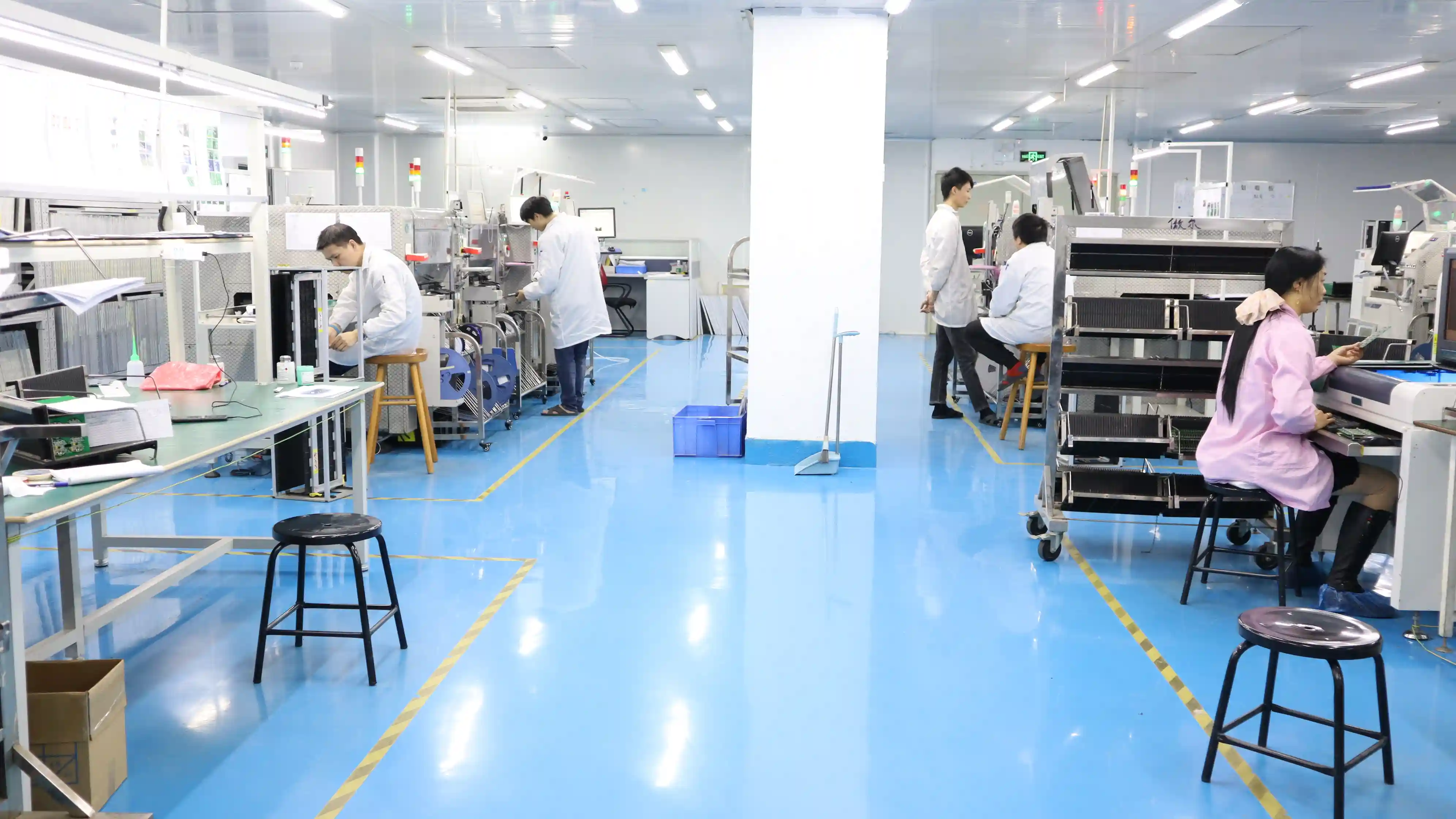
Multi-Board PCBA: Como Especificar Conectores Board-to-Board, FFC e FCT Sem Falhas de Integração
Guia técnico para especificar multi-board PCBA com conectores board-to-board, FFC, cablagem, STM32, IPC-J-STD-001, IPC-A-610 e teste funcional integrado.
PCBA Kitting e IQC: Como Bloquear Componentes Errados Antes da SMT
Guia técnico para controlar kitting, IQC, AVL, MSL e rastreabilidade de componentes antes da montagem SMT, com critérios IPC, JEDEC e ISO 9001.
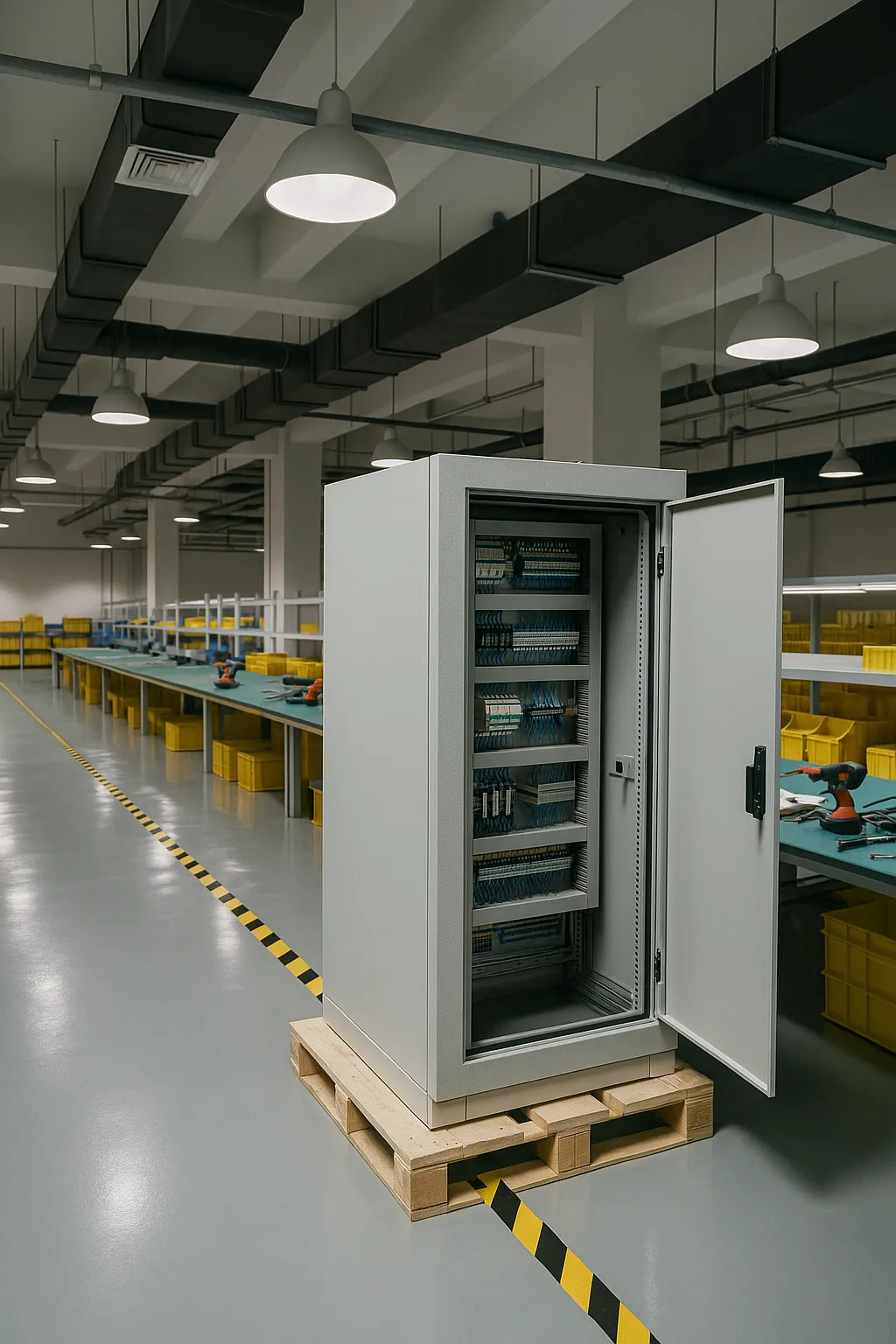
LED Light Ring PCBA com Cablagem: Como Especificar Montagem, Teste Funcional e Responsabilidade Única
Guia técnico para equipas de smart hardware que precisam integrar PCBA circular, cablagem, LEDs e teste funcional sem dividir responsabilidade entre fornecedores.